Season 01
Spring Renewal
As daylight lengthens, the body gradually shifts toward greater alertness. Circulation brightens, sleep patterns realign, and a natural sense of lightness returns.
Seasonal Body Awareness
Every season brings a shift in light, temperature, and atmosphere. The body responds with its own quiet intelligence — adjusting, conserving, and renewing in natural cycles.
Four Phases
Each season signals a different mode of operation. Understanding these phases invites a more attuned relationship with the year's natural rhythm.
Season 01
As daylight lengthens, the body gradually shifts toward greater alertness. Circulation brightens, sleep patterns realign, and a natural sense of lightness returns.
Season 02
Long days encourage movement and social engagement. The body manages warmth through perspiration and adjusts fluid needs to keep an even internal temperature.
Season 03
Cooling air and shorter days prompt the body to begin conserving energy. Appetite and sleep duration often shift naturally as part of this seasonal recalibration.
Season 04
The body favors warmth and restoration during winter months. Reduced light exposure influences internal rhythms, making rest and nourishment especially valuable.
Continuous Cycle
The body does not experience seasons as separate events — it flows through them continuously, each phase preparing the ground for the next.
Light returns, internal rhythms recalibrate, energy gradually builds.
Peak daylight sustains outward activity and social engagement.
The body begins a gradual inward shift, conserving and preparing.
Deep rest and internal nourishment support the next cycle's renewal.
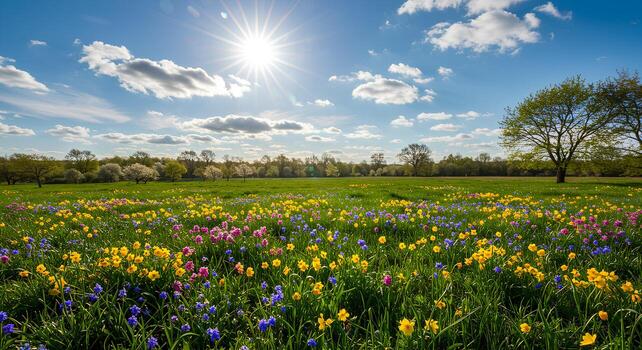
Spring
As temperatures rise and days lengthen, the body receives more light cues that influence its internal clock. Sleep may become lighter, and a sense of renewed energy can emerge over several weeks — not overnight, but gradually, as the environment shifts.
Seasonal Rhythm Guide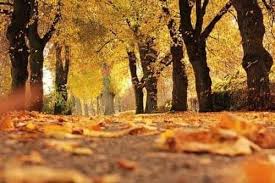
Autumn
Autumn is a phase of natural recalibration. Cooler air and shorter days gently signal the body to draw inward. Sleep patterns may lengthen, appetite can shift toward warming foods, and the pace of daily activity naturally softens.
Environmental InfluencesSeasonal State
Select the description that best reflects your current sense of ease with the season.
Everyday Awareness
Small, consistent adjustments aligned with the season allow the body to follow its natural pace without resistance.
Allow sleep timing to shift slightly with changing sunrise and sunset times. The body's internal clock responds naturally to light availability throughout the year.
Seasonal produce tends to align with what the body naturally gravitates toward — lighter and hydrating in warm months, warming and denser in cooler ones.
Physical activity naturally ebbs and flows. Embracing a gentler pace in winter and an expansive one in summer is part of the body's seasonal intelligence.
Time spent outdoors — especially in the morning — supports the body's light-based rhythm regardless of season. Even diffuse winter light carries its own signal.
Fluid needs shift with temperature and activity level. Warmer seasons tend to increase fluid turnover, while cooler months may reduce overt thirst cues.
Consistent daily anchors — mealtimes, light exposure, rest — give the body a stable framework within which seasonal shifts can unfold naturally.